Sports Injury Clinic

Three Legged Cross & Blandford

At True Form Therapy, we are a specialist sports injury clinic based in Three Legged Cross, also serving Blandford Forum and the surrounding Dorset area. We help active individuals, athletes, and gym-goers recover from injury, reduce pain, and return to movement with confidence.

Whether you’re dealing with a long-standing injury, a recent strain, or ongoing muscle tightness, our sports therapy treatments are designed to address the root cause of pain, not just the symptoms.

Outside the clinic

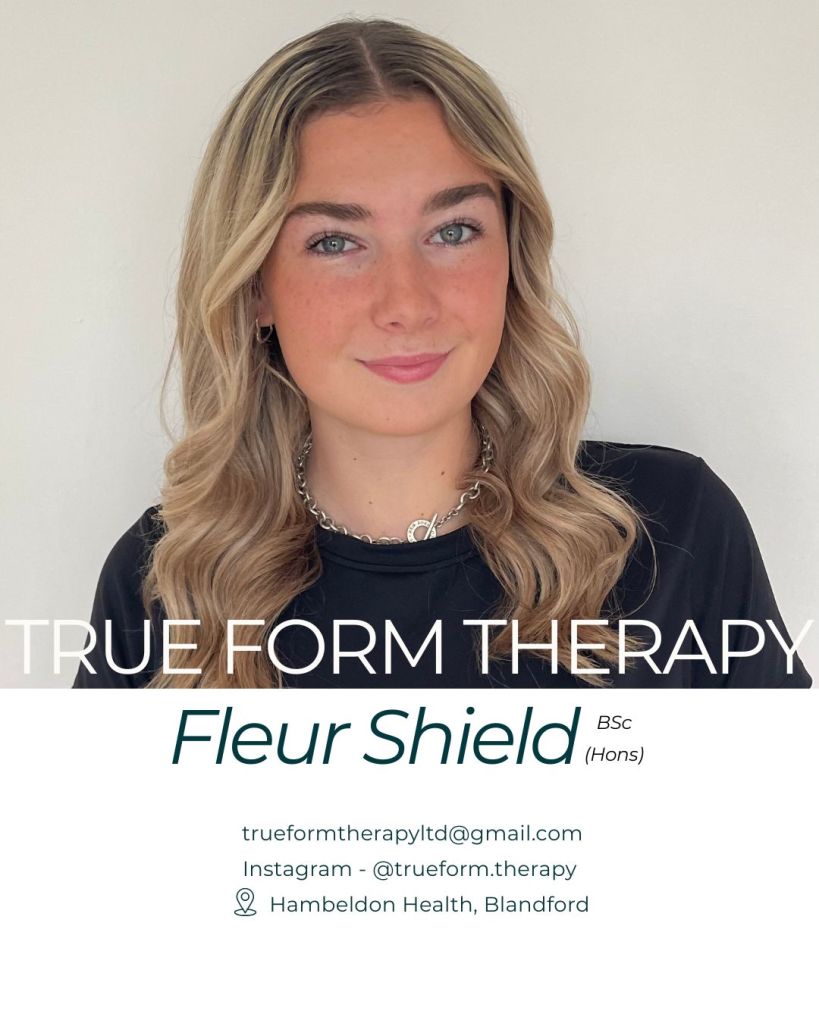
Alongside clinic based treatment, True Form Therapy provides ongoing support within sporting environments. Fleur is the Lead Sports Therapist for Bridport RFC and works closely with both the men’s and women’s Bournemouth University rugby teams, supporting injury management, rehabilitation, and performance throughout the season.

As an active sportsperson herself, Fleur plays rugby and golf and is a regular gym enthusiast, bringing first hand understanding of the physical demands placed on the body and the importance of effective, evidence based care both on and off the field.

We look forward to welcoming you our my clinic

Our Sports Therapy Services Include:

Sports injury assessment and treatment:

Clear assessment to identify the cause of pain or injury, with a personalised treatment and recovery plan.

Rehabilitation:

Targeted rehabilitation to restore movement, build strength, and reduce the risk of re-injury

Sports massage:

Hands on treatment to reduce muscle tightness, support recovery, and improve movement

Cupping:

Used alongside treatment to help reduce pain, improve circulation, and support tissue recovery

We regularly treat conditions such as:
  • Knee, ankle, and hip pain
  • Back and neck aches and pains
  • Muscle strains and tendon injuries
  • Running and gym-related injuries

Who We Help

We work with:
  • Runners and endurance athletes
  • Gym members and fitness enthusiasts
  • Team sport players
  • Active individuals experiencing pain or restricted movement

You don’t need to be an athlete to benefit from sports therapy, if your body hurts during or after movement, we can help.

Why Choose True Form Therapy?

  • Qualified and experienced Sports Therapist
  • Personalised, one-to-one treatment
  • Clinics in Three Legged Cross and Blandford
  • Evidence based treatment focused on long-term results

If you’re searching for a sports injury clinic near Three Legged Cross or sports therapy in Blandford True Form Therapy is here to support and help you in your recovery journey.

  • Shoulder pain is one of the most common issues seen in both athletes and active individuals. One frequent cause is shoulder impingement, a condition that can significantly affect strength, movement, and performance if not addressed early.

    If you’re experiencing pain when lifting your arm, pressing overhead, or reaching behind your back, shoulder impingement may be contributing.

    What Is Shoulder Impingement?

    Shoulder impingement occurs when the soft tissues of the shoulder, often the rotator cuff tendons or subacromial bursa become irritated or compressed during arm movement.

    This typically happens in the space between the top of the humerus (Upper bone in your arm) and the acromion (part of the shoulder blade). When that space becomes reduced due to movement patterns, weakness, posture, or overload, irritation develops.

    Over time, this can lead to:

    • Persistent pain
    • Reduced range of motion
    • Weakness with overhead activity
    • Inflammation and tendon irritation

    Common Causes

    Shoulder impingement is rarely caused by one single factor. It often develops gradually due to:

    • Repetitive overhead training (gym, CrossFit, swimming, rugby tackling)
    • Poor scapular control or posture
    • Rotator cuff weakness
    • Sudden increases in training load
    • Previous shoulder injury

    Athletes and gym-goers are particularly at risk due to the demands placed on overhead movement patterns.

    Typical Symptoms

    You may notice:

    • Pain when lifting the arm between shoulder and head height
    • Discomfort during pressing movements
    • Night pain when lying on the affected side
    • A catching or pinching sensation
    • Reduced strength compared to the other side

    Ignoring these early signs can lead to longer-term tendon irritation.

    Why Early Treatment Matters

    When a shoulder impingement is addressed through early treatment, recovery is usually straightforward.

    However, if symptoms are ignored and training continues through pain, this can progress to:

    • Rotator cuff tendinopathy
    • Chronic inflammation
    • Reduced shoulder strength and stability
    • Longer rehabilitation timelines

    Early assessment allows for accurate diagnosis and a clear plan of action.

    How Sports Therapy Can Help

    Management typically involves:

    1. Movement Assessment

    Identifying weaknesses, mobility restrictions, postural concerns and scapular control issues.

    2. Pain Reduction

    Manual therapy techniques to reduce irritation and improve movement tolerance.

    3. Progressive Strengthening

    Targeted exercises to restore rotator cuff strength and improve shoulder stability.

    4. Load Management Guidance

    Adjusting gym or sport activity to allow healing without preventing the continuation of training

    The goal is not just to remove pain but to restore strong, confident overhead movement.

    When Should You Seek Assessment?

    If your shoulder pain:

    • Persists beyond 5–7 days
    • Affects training performance
    • Feels sharp during overhead movement
    • Wakes you at night
    • Keeps returning after rest

    It’s time to get it properly assessed.

    Return to Performance, Not Just Pain-Free

    With the right rehabilitation plan, most cases of shoulder impingement respond very well to conservative treatment.

    The aim is to help you:

    • Restore strength
    • Improve control
    • Move without fear
    • Return to sport or training confidently

    Start Your Recovery Journey Today

    If shoulder pain is limiting your training or performance, early intervention makes a significant difference.

    Book an assessment to identify the cause and begin a structured plan toward stronger, pain-free movement.

    Or
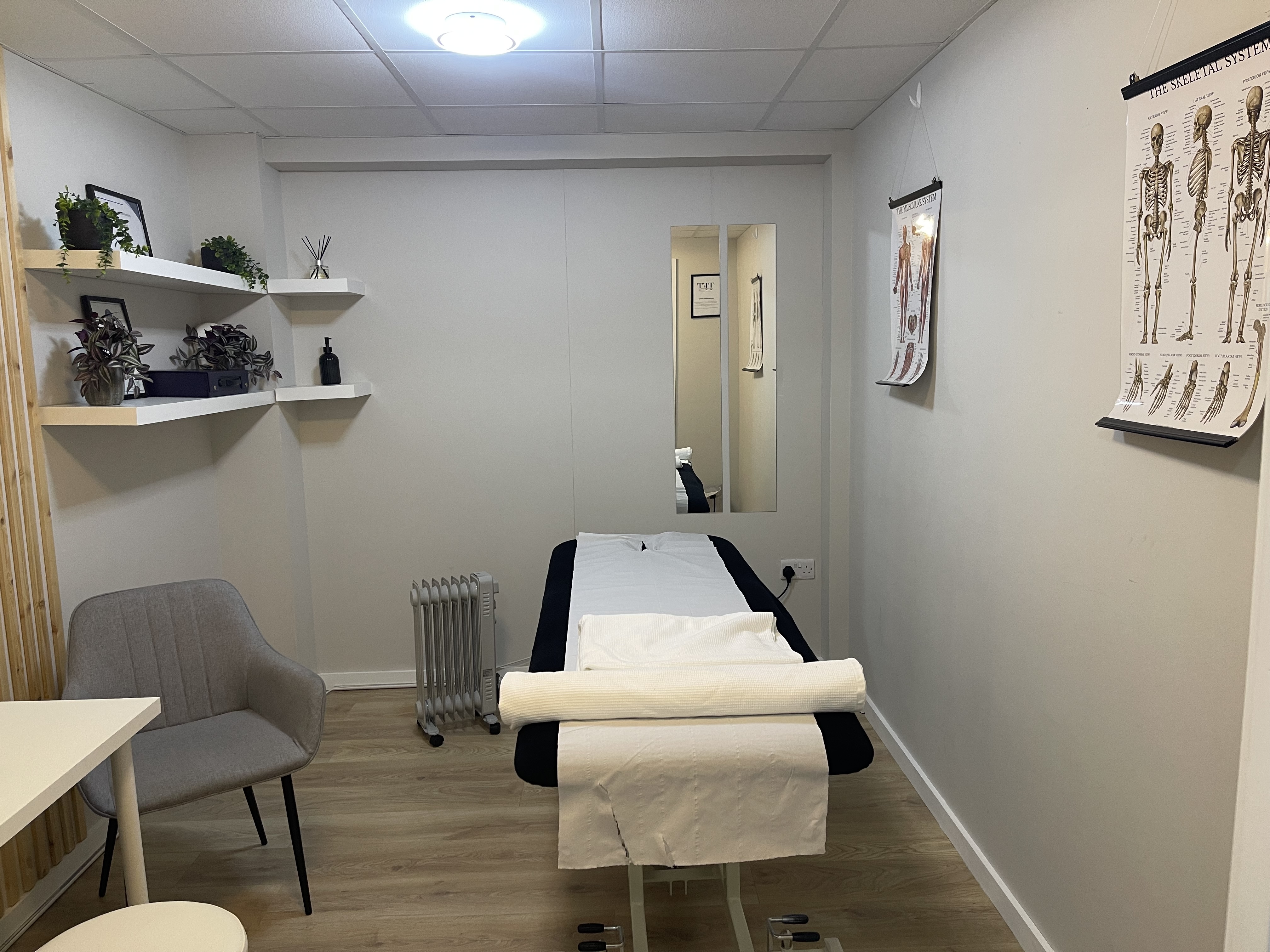
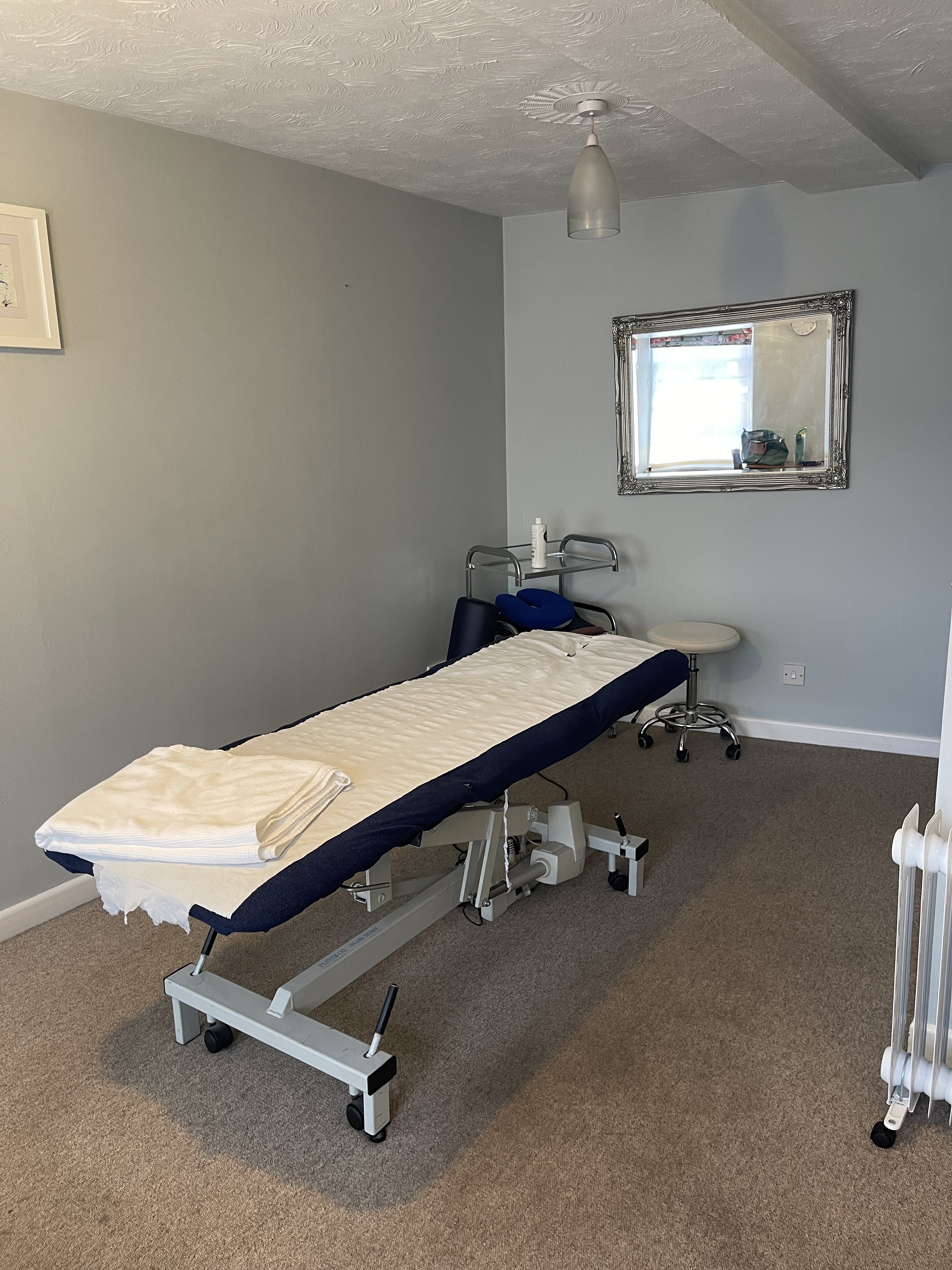
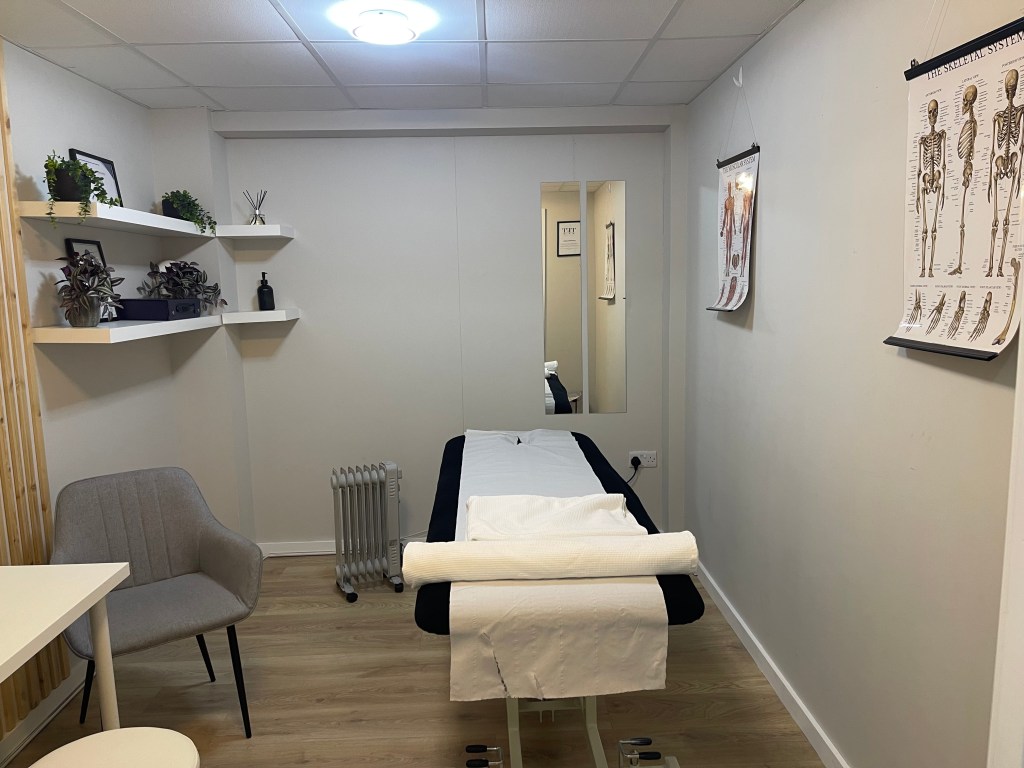
  • All treatments are available in both Three Legged Cross (Left) and Blandford (Right)

    Sports injuries are a common part of both competitive sport and regular exercise.
    While many minor aches and pains will settle with rest, delaying assessment and treatment can often lead to longer recovery times, reduced performance, and an increased risk of re-injury.

    Seeking early sports therapy input allows problems to be identified and managed before they become more significant.

    What Happens If an Injury Is Ignored?

    Continuing to train or compete through pain can cause:

    • Compensatory movement patterns
    • Increased strain on surrounding muscles and joints
    • Reduced strength, mobility, and control
    • Prolonged recovery timelines

    In many cases, injuries that could have resolved within weeks may persist for months when not addressed appropriately.

    The Benefits of Early Assessment

    An early clinical assessment provides:

    Accurate diagnosis
    Understanding the exact structure involved allows treatment to be targeted and effective.

    Pain reduction and tissue healing support
    Hands-on therapy, soft tissue techniques, and appropriate rehabilitation can help control symptoms and promote recovery.

    Structured rehabilitation planning
    Progressive strength and mobility work ensures a safe and confident return to sport or training.

    Injury prevention strategies
    Addressing underlying weaknesses or movement issues reduces the likelihood of recurrence.

    When Should You Seek Treatment?

    It is advisable to book an assessment if you experience:

    • Pain that persists beyond a few days
    • Swelling, stiffness, or reduced movement
    • Discomfort during sport, gym training, or daily activity
    • Recurrent injuries in the same area

    Early intervention is always more effective than waiting for symptoms to worsen.

    Supporting Your Return to Full Performance

    Sports therapy is not only about treating pain, it is focused on restoring:

    • Strength
    • Mobility
    • Confidence in movement
    • Sport-specific performance

    The goal is to help you return to activity safely, efficiently, and stronger than before.

    Ready to Start Your Recovery?

    If you are currently dealing with pain, injury, or reduced performance, early treatment can make a significant difference.

    Book your appointment today to begin a structured, evidence based approach to recovery and return to sport.

    OR

    Why Early Treatment Matters for Sports Injuries

    Comments

    Leave a comment